
How the type generator works
- Press Roll. The generator picks one of the 18 types at random and shows it in the coloured banner above the cards.
- See Pokémon of that type. The cards fill with random Pokémon that have the type, as their first or second type. The banner says how many Pokémon have it under your filters.
- Keep the type, or don't. Switch on Keep this type to reroll only the Pokémon. Leave it off and every roll draws a new type too.
- Narrow it down. Open Filters to limit the roll to some generations, fully evolved Pokémon, no Legendaries or one game's Pokédex. Tick a few types in the filters and the generator picks only among those.
Why roll a random type?
Monotype runs
A monotype run means playing a whole game with Pokémon of one type. Letting the dice choose the type keeps it honest and makes every run different. Roll once, switch on Keep this type, and roll again whenever you want ideas for the team. Add the Fully evolved filter to see what the type has to offer at the end of the game, or choose your game under Game Pokédex to see only Pokémon you can actually catch.
Monotype battles with friends
Each player rolls a type and builds a team of six from it. The team generator takes it from there: tick the same type in its filters, roll six, and check the team's type coverage and shared weaknesses before you export it to Showdown.
Drawing, writing and classroom prompts
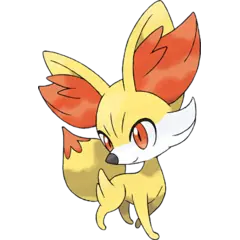
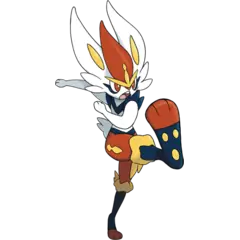
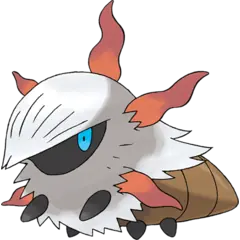
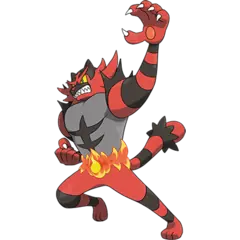
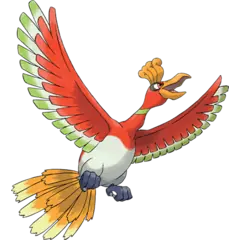
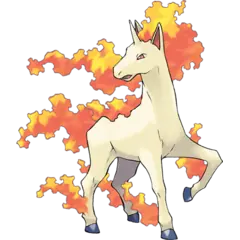
A random type is a quick prompt: draw a new Pokémon of that type, describe a habitat where it would live, or name three of its Pokémon from memory before you look at the cards. The cards show official artwork, both types, six base stats and the total, so they double as a reference sheet.
Learning the types
New players can roll a type and look at what its Pokémon have in common: colours, shapes, where they live in the games. It is a light way to learn all 18 types without reading a chart.
The 18 Pokémon types by size
Types are not the same size, so some rolls give you far more choice than others. Counting each of the 1,025 species once, by its current typing (both types count):
| Type | Pokémon with it | Fully evolved | Only this type |
|---|---|---|---|
| Water | 154 | 82 | 74 |
| Normal | 131 | 68 | 75 |
| Grass | 127 | 64 | 47 |
| Flying | 109 | 67 | 3 |
| Psychic | 102 | 67 | 39 |
| Bug | 92 | 48 | 23 |
| Poison | 83 | 42 | 16 |
| Fire | 81 | 44 | 36 |
| Ground | 75 | 41 | 17 |
| Rock | 74 | 42 | 17 |
| Fighting | 73 | 50 | 28 |
| Dragon | 70 | 46 | 13 |
| Electric | 69 | 44 | 35 |
| Dark | 69 | 47 | 13 |
| Ghost | 65 | 41 | 16 |
| Steel | 65 | 44 | 10 |
| Fairy | 64 | 38 | 21 |
| Ice | 48 | 31 | 16 |
Water is the biggest type by a wide margin, and Ice the smallest. Flying is almost always a second type: only three species are Flying alone. Regional forms, Mega Evolutions and Gigantamax forms are not counted in the table; switch them on in the filters to add them to your rolls.
Is every type equally likely?
Yes. Each roll picks evenly among the types that have at least one Pokémon under your current filters, so Ice comes up as often as Water. Then the Pokémon are picked evenly among those of the rolled type. If your filters leave some types empty (a narrow game Pokédex, for example), the generator only rolls types that can actually show a Pokémon.
Type generator, Pokémon generator or team?
Use this page when the type comes first. For any Pokémon at all, the random Pokémon generator rolls 1 to 12 from every generation. For a battle-ready six with coverage, use the team generator. To let a crowd watch the choice, spin the Pokémon wheel, and to test what you learned, try the Who's That Pokémon? quiz.